State Approves Fish Creek Watershed Plan
A restoration plan aimed at improving water quality in Fish Creek has been reviewed and approved by the Wyoming Department of Environmental Quality (WDEQ). The Fish Creek Watershed Plan, developed by Teton Conservation District (TCD) in partnership with WDEQ and Alder Environmental, outlines the sources of pollution in Fish Creek and develops a list of projects aimed at improving water quality.
“We’ve known about issues in Fish Creek for decades”, said David Lee, Water Resources Specialist for Teton Conservation District. “Ask anyone who’s lived on Fish Creek for more than a few years, and they will tell you the change they’ve seen. This plan allows us to implement strong projects in the short-term to address some of these issues.”
The plan meets the nine elements of watershed-based planning required for Clean Water Act Section 319 grant funding. Also, it addresses the listed impairments in Fish Creek to qualify as an Advance Restoration Plan. Advance Restoration Plans are tools used by States to improve water quality in the short term where other tools may require years or decades of additional research. Other watershed plans have been implemented in Wyoming with success. The Middle Fork of the Popo Agie River was recently delisted due to improved E. coli levels in 2024, after implementation of a Watershed Plan in 2020.
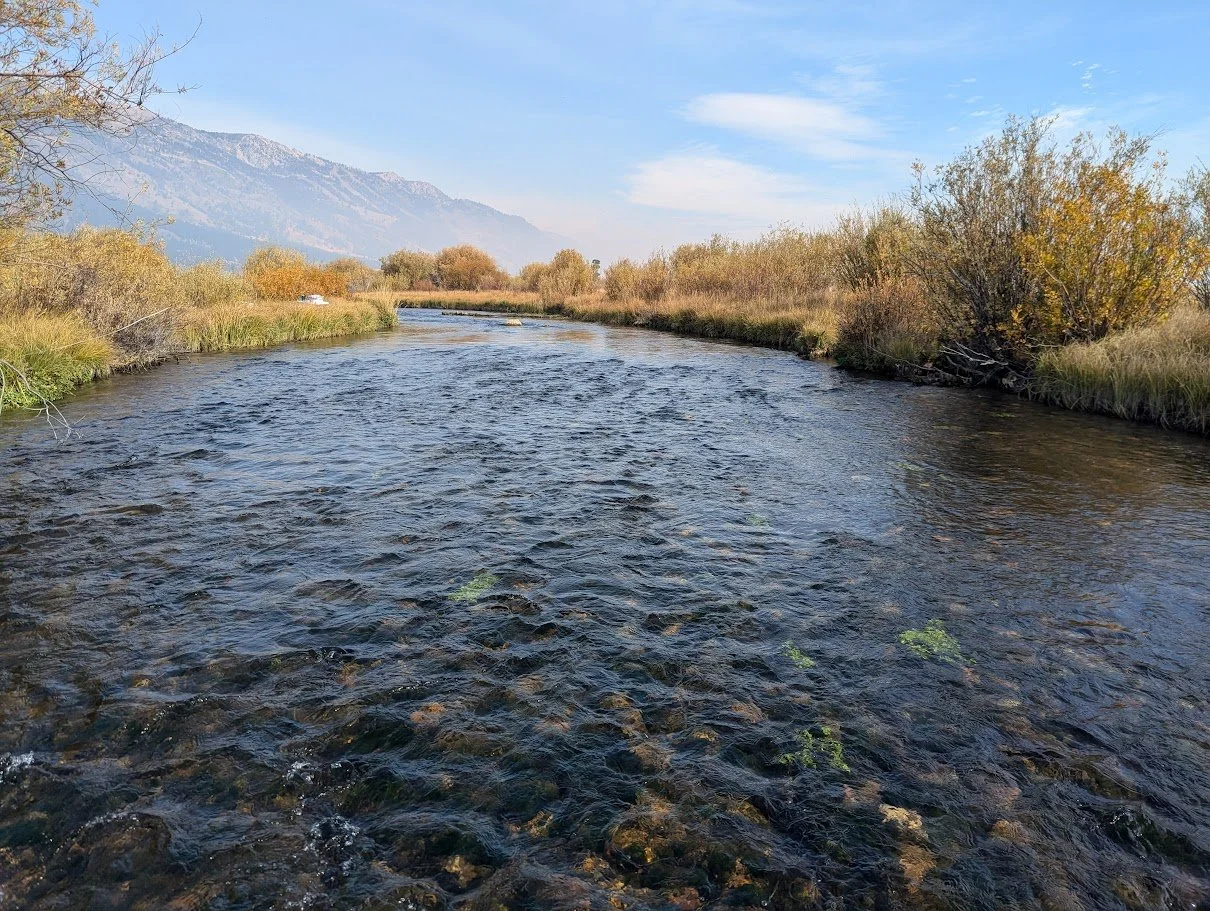
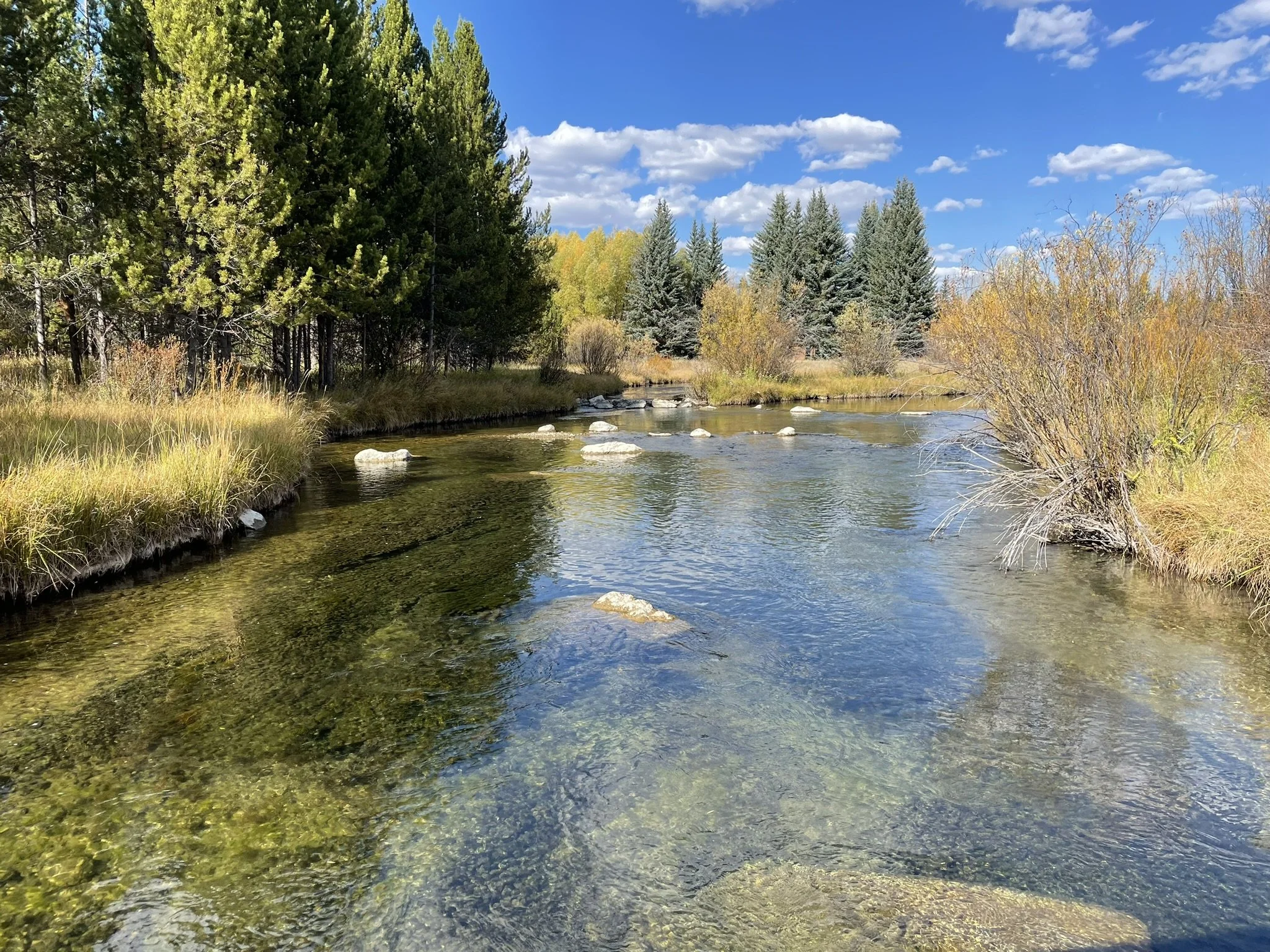
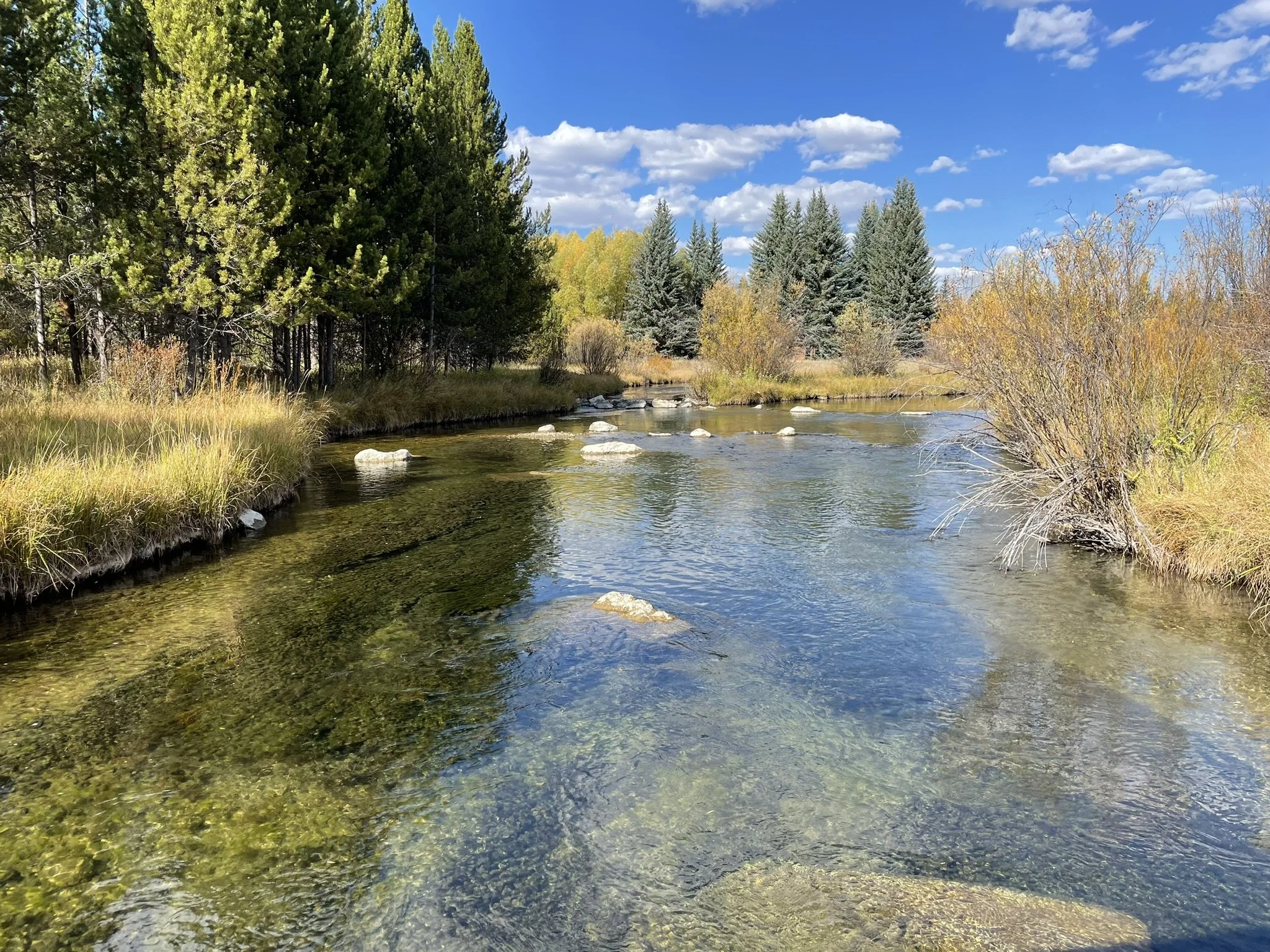
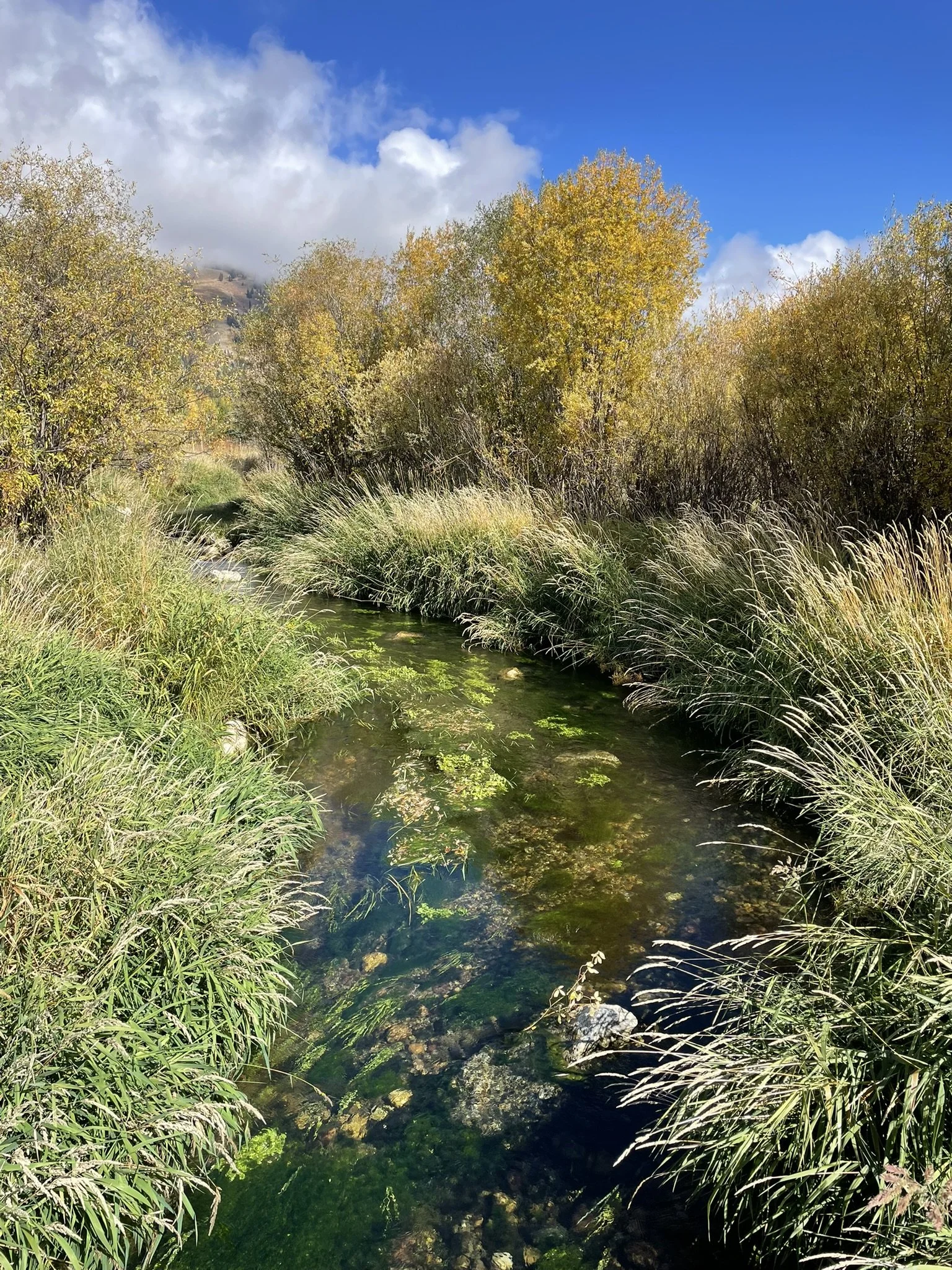
Fish Creek winds roughly 15 miles from Teton Village to its confluence with the Snake River, draining a 124-square-mile watershed at the base of the Tetons. A groundwater-fed spawning stream for the Snake River fine-spotted cutthroat trout, it has drawn anglers since the late 1800s and provides crucial riparian habitat on the west bank of the Snake River for moose, trumpeter swans, beaver, and otters. Because it flows predominantly through private land, its future largely depends on the stewardship of the people who live alongside it.
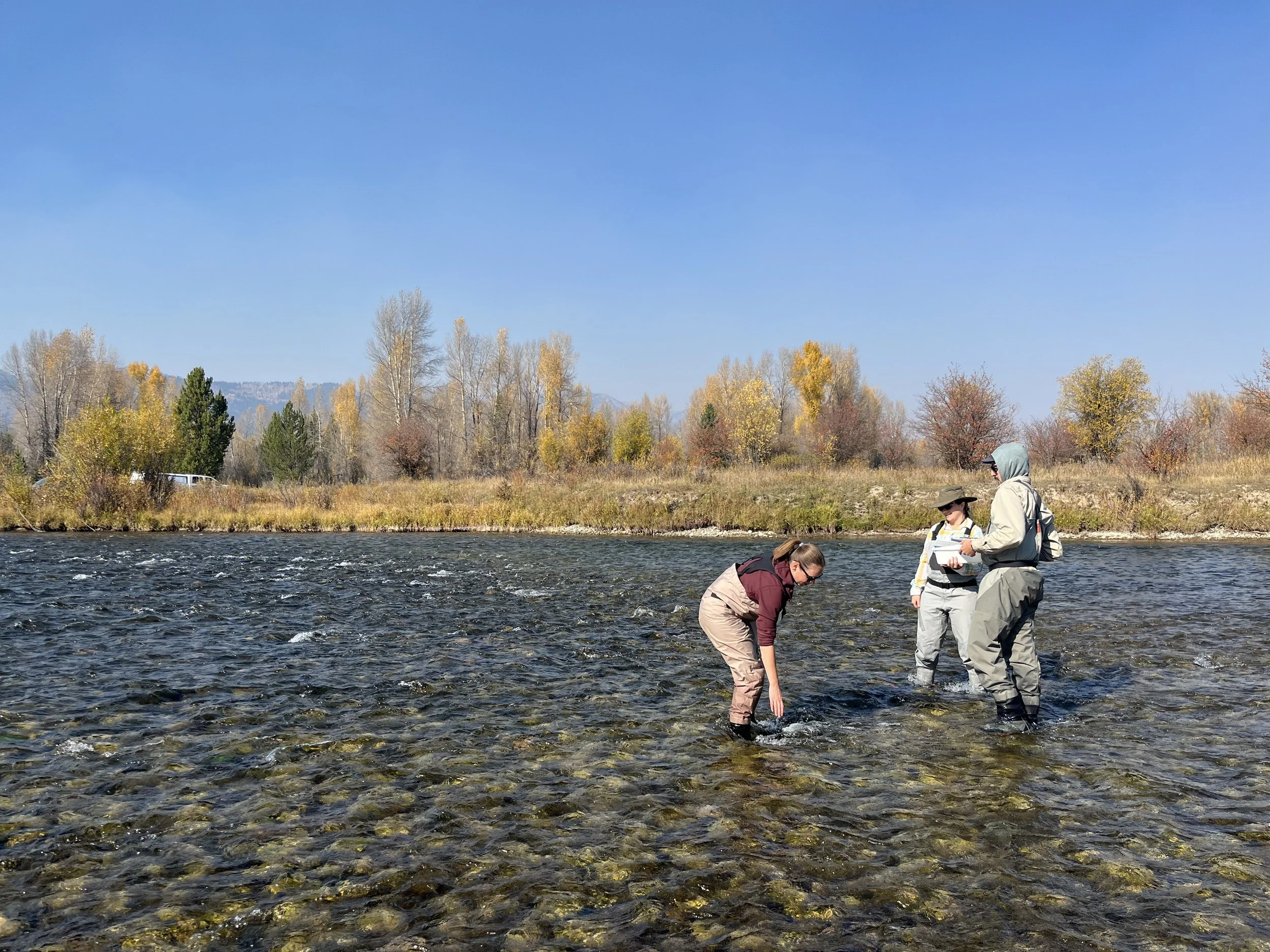
Starting in 2004, TCD partnered with the U.S. Geological Survey on a multi-phase study that described the interaction of surface and groundwater in the creek, determined that algae growth in Fish Creek was higher than in comparable streams, and that nutrients entering the creek from nearby land uses were problematic, including agriculture, wastewater treatment plants and septic systems, and fertilizers.
The studies eventually led to two formal impairment listings from WDEQ. In 2020, the entire length of Fish Creek was listed as impaired for E. coli bacteria. In 2025, WDEQ added an additional impairment for nutrients (excess nitrogen and phosphorus) along the upper 9.6 miles between Teton Village and Wilson. Fall cutthroat trout estimates, meanwhile, fell by more than 50% between 2017 and 2022.
The broader community has rallied around Fish Creek for years, most visibly through Protect Our Water Jackson Hole (POWJH), which grew out of the community group Friends of Fish Creek and has led local water quality advocacy for more than a decade. POWJH has assisted with monitoring, plan elements, and projects to improve water quality in Fish Creek. Other partners, including Trout Unlimited and Wyoming Game and Fish Department, have supported data collection and riparian projects in the Fish Creek watershed. That collaborative momentum, combined with TCD's long monitoring record, supplied the foundation for the new plan. At stakeholder meetings before and during plan development, TCD gathered input from agencies, partners, and residents on Fish Creek issues and recommended solutions.
Fish Creek's impairments are nonpoint in origin, meaning there is not a single source of pollution that can be blamed for poor water quality in the creek. Rather, pollution in Fish Creek comes from numerous sources and locations. In this scenario, voluntary strategies led by stakeholders are essential to meeting water quality standards.
The approved plan gives that effort structure, setting four goals: improve water quality to meet existing criteria, protect and restore the riparian corridor, improve aquatic habitat, and minimize the impacts of human use and development on the creek. To get there, it identifies 38 best management practices, or projects, to be completed to achieve the goals above. The plan also recommends additional monitoring efforts to close remaining data gaps.
With plan approval secured, TCD now shifts into project mode - working with willing landowners, pursuing implementation funding, and tracking progress against the plan's milestones. With funding support from POWJH, TCD is currently assisting Fish Creek Ranch with riparian fencing expansion to keep livestock out of the creek.
Restoration will take patience, but for the first time the community has all of the relevant information about Fish Creek in one place. We have a plan to move forward, and this plan’s approval by WDEQ opens up the most significant funding source available to address impaired waterbodies.
The full Fish Creek Watershed Plan is available here.